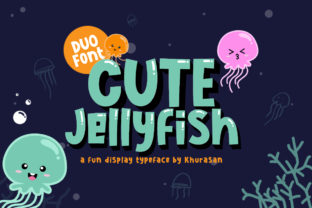
Cute Jellyfish: A Whimsical Display Typeface for Modern Editors
When I was recently tasked with refreshing the visual identity of a lifestyle blog that focuses on slow living and creative hobbies, the existing header felt too rigid. The site needed warmth, approachability, and a touch of playfulness without sacrificing professional credibility. That is when I turned to Cute Jellyfish, a bold display typeface that immediately shifted the mood of the layout. As a designer who values both aesthetic charm and functional clarity, I found that this font offers a unique balance. It is not just a decorative element; it is a strategic tool for establishing publication identity. In this review, I will explore how Cute Jellyfish functions within real editorial workflows, from newsletter headers to digital magazine covers, and why it deserves a spot in your library of premium fonts.
Using Cute Jellyfish for Lifestyle Blog Headers and Brand Identity
The primary challenge in modern web design is capturing attention within seconds while maintaining readability across devices. Cute Jellyfish excels in this arena because its cheerful vibe translates instantly to screen readers. When I applied it to the main navigation and hero section titles of the blog redesign, the change was palpable. The font’s bold strokes ensure that headlines stand out against busy background images, a common requirement in lifestyle and travel publishing. Unlike thinner script fonts that can get lost on mobile screens, this display font maintains its integrity and legibility even at smaller viewport sizes. For bloggers and content creators, using Cute Jellyfish in headers creates an immediate emotional connection with the audience, signaling that the content within is friendly, accessible, and creatively driven. It transforms a standard blog layout into a curated experience, reinforcing brand identity through consistent typographic choices.
Designing Engaging Newsletter Graphics with Bold Display Typography
Email marketing relies heavily on visual hierarchy to guide subscribers through content. A cluttered or overly formal newsletter often leads to lower engagement rates. I tested Cute Jellyfish in a weekly creator newsletter, specifically for subject lines embedded as images and section dividers within the email body. The result was a noticeable increase in click-through rates on featured articles. The whimsical nature of the font breaks the monotony of standard sans serif body copy, acting as a visual pause that draws the eye. When designing newsletter graphics, it is crucial to pair such expressive fonts with clean, readable text for the main content. I paired it with a neutral sans serif font for the body paragraphs, which allowed Cute Jellyfish to shine as a decorative accent without overwhelming the reader. This combination ensures that the email remains professional while feeling personal and inviting, a key factor for independent content brands and coaches building their community.
Cute Jellyfish in Printable Planners and Digital Course Materials
Beyond digital screens, this typeface proves its versatility in print and PDF formats. I incorporated Cute Jellyfish into a printable planner designed for creative entrepreneurs. The font was used exclusively for chapter openers, monthly tabs, and motivational pull quotes. In these contexts, the bold weight of the font provides excellent contrast against the lighter weights used for instructional text. For course creators and ebook authors, typography plays a critical role in reducing cognitive load. By reserving Cute Jellyfish for high-impact elements like titles and section breaks, you create a clear structure that helps readers navigate complex information. However, it is important to note that this is a display font, not a body font. Using it for dense paragraphs or small captions would compromise readability. Instead, treat it as a highlighter for your most important messages. Whether you are designing a wedding guide, a recipe ebook, or a coaching workbook, this font adds a layer of polish and personality that generic system fonts cannot match.
Pairing Strategies for Editorial Design and Visual Hierarchy
Successful editorial design depends on effective font pairing. Cute Jellyfish has a distinct personality that requires careful balancing. Because it is a bold display typeface with a cheerful vibe, it pairs best with understated, highly legible typefaces. I recommend combining it with a classic serif font for long-form articles to evoke a sense of tradition and trust, or a geometric sans serif for a more modern, clean look. In a recent digital magazine layout, I used Cute Jellyfish for the cover title and article teasers, while relying on a neutral sans serif for the bylines and body text. This contrast creates a dynamic visual rhythm that keeps the reader engaged. The key is to let the display font do the heavy lifting in terms of mood and attraction, while the supporting fonts handle the heavy lifting in terms of information delivery. Always check the included styles and weights before finalizing your design assets to ensure you have enough flexibility for different hierarchical levels.
Licensing Considerations for Commercial Font Usage in Digital Products
Before integrating any new typeface into your workflow, understanding licensing is essential. Cute Jellyfish is suitable for a wide range of creative projects, but users must verify the specific commercial license terms if they plan to use it in client work, paid newsletters, or products for sale such as printables and templates. Most premium fonts offer different licenses for personal use, commercial use, and enterprise-level distribution. Ensure that your intended use case, whether it is for a single blog or a large-scale publishing house, aligns with the license agreement. Additionally, check for multilingual support if your audience is global, and look for included alternates or ligatures that can add extra flair to logo design or packaging design projects. By respecting intellectual property and choosing the right license, you protect your business and support the designers who create these valuable design assets. With proper licensing, Cute Jellyfish becomes a powerful asset in your toolkit for creating memorable, whimsical, and professional content.