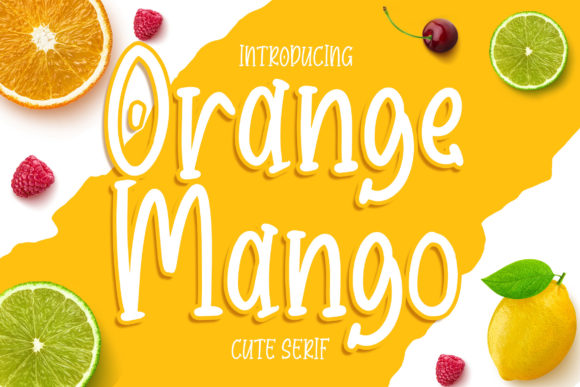
Orange Mango: A Sweet Display Typeface for Editors
Orange Mango is a distinctive Display font that brings warmth and personality to editorial layouts, making it an essential addition to any designer’s library of premium Fonts. As content creators, we constantly seek typefaces that do more than just convey information; we need typography that evokes emotion and sets the tone before the reader even processes the first sentence. This particular typeface succeeds by balancing playful energy with structural clarity, ensuring that your headlines capture attention without sacrificing professionalism. Whether you are designing a lifestyle blog header or crafting the cover of a digital magazine, this font serves as a powerful tool for visual storytelling.
Enhancing Blog Headers and Magazine Covers with Orange Mango
When integrating Orange Mango into your web design or print projects, consider its primary role as a headline driver. This Display typeface excels in large sizes, where its unique character shapes can truly shine. For bloggers and magazine editors, the challenge is often creating a brand identity that feels approachable yet authoritative. By using this font for main titles, you inject a sense of joy and accessibility into your publication. It works exceptionally well for lifestyle blogs, food journals, and travel guides where the mood is upbeat and inviting. The visual weight of the letters ensures that your headers stand out against busy background images or colorful graphics, providing a clear focal point for the reader’s eye. Unlike generic sans serif options, this font adds a layer of curated design effort that signals quality to your audience.
Crafting Engaging Ebook Titles and Chapter Openers
In the realm of digital publishing, first impressions are formed within seconds. Orange Mango offers a compelling solution for ebook covers and chapter openers, acting as a bridge between creative flair and readability. When designing lead magnets, coaching workbooks, or recipe ebooks, the title typography must promise value and enjoyment. This font delivers on that promise by embodying the sweeter things in life, making it a perfect match for content focused on wellness, creativity, or personal growth. Use it sparingly for chapter titles to create a rhythmic visual break in long-form text. This strategic placement helps guide the reader through the material, preventing fatigue and maintaining engagement. Because it is a display font, it should not be used for body copy, but rather as an accent that highlights key structural elements of your document.
Elevating Newsletter Graphics and Social Media Branding
Consistency across platforms is crucial for building a recognizable brand identity, and Orange Mango provides the versatility needed for multi-channel content strategies. For newsletter writers and social media managers, this font can transform standard quote graphics into shareable assets. When paired with clean, minimal backgrounds, the typography becomes the hero of the image, driving clicks and engagement. In email marketing, using this typeface for subject lines or header images can increase open rates by standing out in a crowded inbox. It is important to note that while this is a display font, its legibility remains strong at moderate sizes, making it suitable for short call-to-action buttons or section dividers within HTML emails. By incorporating this font into your template designs, you ensure that every touchpoint with your audience feels cohesive and professionally crafted.
Designing Printable Planners and Workshop Materials
For creators who sell digital downloads, such as printable planners, worksheets, or wedding guides, typography plays a significant role in perceived value. Orange Mango adds a handcrafted feel to these materials, making them feel less like generic templates and more like bespoke tools. When designing worksheets for coaches or educators, use this font for section headings and motivational quotes to keep the user inspired. Its friendly aesthetic reduces the intimidation factor often associated with rigorous planning or learning materials. However, always pair it with a highly readable serif or sans serif font for the instructional text to ensure clarity. This combination creates a balanced hierarchy where the display font draws attention to important tasks, while the body font facilitates easy reading and completion. This approach is particularly effective for wedding planners and event guides, where the tone needs to be celebratory yet organized.
Strategic Font Pairing for Editorial Harmony
To maximize the impact of Orange Mango, understanding how to pair it with complementary typefaces is essential. Since this is a bold Display font, it requires a subdued partner for body text to avoid visual clutter. Classic serif fonts, such as Garamond or Baskerville, provide a traditional contrast that grounds the playful nature of the headline font. Alternatively, modern geometric sans serif fonts can create a contemporary, clean look that lets the display typeface take center stage. When working on complex layouts like magazines or comprehensive guides, establish a strict hierarchy: use Orange Mango for H1 and H2 headings, a secondary sans serif for subheads, and a high-legibility serif for paragraphs. This structure ensures that readers can scan the content easily while enjoying the aesthetic appeal of the primary typography. Always test these pairings on both screen and print to verify that the contrast remains effective across different media.
Licensing Considerations for Commercial Projects
Before deploying Orange Mango in client work or commercial products, it is vital to review the licensing terms associated with the font file. Most premium display fonts offer different licenses for personal use, commercial web use, and app embedding. If you are creating logos, packaging design, or merchandise for sale, ensure you have the appropriate commercial license. For digital product creators selling templates on marketplaces, check if the license allows for end-user distribution. Investing in the correct license not only protects your business legally but also supports the type designers who create these valuable assets. By respecting intellectual property rights, you contribute to a sustainable ecosystem of high-quality design resources. This professionalism reflects well on your brand and assures clients that your work is built on a foundation of ethical design practices.