Shabdiz Typeface for Bold Business Branding
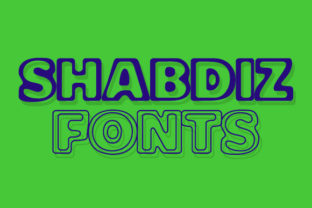
When you are building a brand from the ground up, selecting the right Display Fonts can feel like choosing the paint color for your storefront. It sets the tone before a customer even reads your message. Shabdiz enters this space as a heavy look hollow-ish typeface that commands attention without feeling cluttered. For small business owners, entrepreneurs, and creatives who need their visuals to pop on crowded social media feeds or physical shelves, this typeface offers a distinct personality. It is not just about aesthetics; it is about creating a consistent, professional, and recognizable identity that builds trust with your audience.
Using Shabdiz for Eye-Catching Slogans and Headlines
The primary strength of Shabdiz lies in its ability to turn simple words into visual anchors. As a Display font, it is designed to be used at larger sizes, making it perfect for slogans, typographic artworks, and main headlines. If you run a coaching business, a boutique, or a specialty café, your headline needs to stop the scroll. The hollow-ish structure of Shabdiz creates a unique negative space that draws the eye, while the heavy weight ensures it feels substantial and authoritative. This balance makes it an excellent choice for website banners where you want to communicate confidence immediately. Instead of relying on generic sans serif options, using Shabdiz for your primary messaging adds a layer of creative sophistication that separates your brand from competitors.
Creating Memorable Logos with Heavy Hollow Typography
Your logo is often the first touchpoint a customer has with your business. Shabdiz works exceptionally well for logo design, particularly for brands that want to appear modern yet grounded. Because it supports both Latin and Persian Arabic scripts, it is an invaluable asset for businesses targeting diverse markets or those with multicultural branding needs. Imagine a handmade candle company or a artisanal bakery using Shabdiz for their logotype. The thick strokes provide durability when printed on small labels, while the hollow details prevent the text from looking like a solid black blob. This readability is crucial for maintaining professionalism across various mediums, from embroidered tote bags to stamped packaging. By choosing a premium font like Shabdiz, you signal to your customers that you care about the details, which translates to perceived value in your products.
Enhancing Product Packaging and Label Design
Packaging is silent salesmanship, and the typography you choose plays a massive role in how your product is perceived on the shelf. Shabdiz is ideal for product labels where space is limited but impact is required. Whether you are selling beauty products, gourmet foods, or handmade crafts, the bold nature of this typeface ensures your product name stands out against busy background patterns or colorful designs. When using Display Fonts for packaging, it is important to consider scale. Shabdiz retains its character even when scaled down for smaller stickers or tags, provided it is used for short phrases rather than long paragraphs. This makes it a practical choice for front-facing label elements, such as flavor names, product titles, or key selling points. The consistency of using Shabdiz across your entire product line helps build a cohesive brand identity that customers can recognize instantly.
Boosting Social Media Graphics and Digital Ads
In the digital realm, attention spans are short, and visual clarity is paramount. Shabdiz shines in social media graphics, Instagram posts, and Pinterest pins where you need to convey a message quickly. The heavy look of the font ensures that text remains legible even on small mobile screens, a critical factor for engaging potential customers on the go. For digital ads, using a distinctive typeface like Shabdiz can increase click-through rates by making your creative assets more memorable. It pairs beautifully with high-quality photography, allowing the image to breathe while the text provides a strong structural element. Creatives and online sellers can use Shabdiz to create quote cards, promotional announcements, or event flyers that look polished and professional. By integrating this font into your digital marketing toolkit, you ensure that your online presence reflects the same quality and care as your physical products.
Pairing Shabdiz with Complementary Typefaces
While Shabdiz is powerful on its own, it truly comes alive when paired with simpler fonts. As a decorative display font, it should not be used for body text. Instead, pair it with a clean sans serif or a readable serif font for longer descriptions, terms and conditions, or informational content on your website. This contrast creates a visual hierarchy that guides the reader’s eye naturally through your material. For example, use Shabdiz for the headline on your homepage and a lightweight sans serif for the supporting paragraph. This combination maintains the artistic flair of your brand while ensuring that your message is easy to digest. Testing different pairings will help you find the right balance for your specific industry, whether you are aiming for a minimalist aesthetic or a bold, expressive look.
Licensing and Practical Implementation for Small Businesses
Before integrating Shabdiz into your commercial projects, it is essential to review the licensing terms. Most premium fonts require a specific license for use on product packaging, merchandise, or client work. Ensuring you have the correct commercial font license protects your business from legal issues and supports the creators who develop these design assets. Once licensed, start by testing Shabdiz in a few key areas, such as your email signature header or a single product line, before rolling it out across your entire brand identity. This gradual implementation allows you to gauge customer response and adjust your design strategy accordingly. Remember, the goal is to enhance your brand’s professionalism and trustworthiness, and Shabdiz provides the tools to do just that with its versatile support for Latin and Persian Arabic scripts.